
The Palisades Fire, a destructive blaze that ripped through California, serves as a stark reminder of the power of nature and the relentless efforts required to combat wildfires. Understanding the palisades fire containment percentage is critical to comprehending the scope of the firefighting operation, the effectiveness of various strategies, and the factors influencing success. This analysis goes beyond simple numbers, delving into the complexities of containment, from initial response to long-term environmental impact.
Examining the evolution of containment strategies, the role of weather, and the logistical challenges faced by firefighters provides a comprehensive perspective. The study considers not only the immediate actions taken but also the long-term consequences of the fire, including environmental restoration and the lessons learned for future wildfire responses. We will explore the different methodologies used to calculate containment, how they have evolved, and the specific criteria used to define containment based on varying conditions.
How did the initial response teams first evaluate the scale of the Palisades Fire and begin containment efforts?
The swift and coordinated response to the Palisades Fire was critical in mitigating its impact. Understanding the initial assessment process and the strategies employed to establish containment provides valuable insight into the challenges faced by first responders and the crucial role of inter-agency cooperation. The initial hours of a wildfire are often the most critical in determining its ultimate scale and the resources needed for its suppression.
Initial Assessment of the Fire’s Size and Potential Spread
Upon arrival at the scene, the first responders’ primary objective was to quickly assess the fire’s size, behavior, and potential for spread. This involved several key actions:
- Visual Reconnaissance: Initial assessments typically began with visual reconnaissance from the ground and, if available, from the air. Helicopters equipped with infrared cameras provided real-time data on the fire’s perimeter, intensity, and areas of active burning. Ground crews utilized binoculars and topographical maps to determine the fire’s direction of spread, the location of potential hazards (e.g., steep slopes, canyons), and the proximity of structures.
- Weather Monitoring: Weather conditions played a pivotal role in predicting the fire’s behavior. First responders closely monitored wind speed and direction, temperature, humidity, and fuel moisture levels. This data was crucial for forecasting the rate of spread and identifying areas most vulnerable to ignition.
- Fuel Analysis: Assessing the type and density of vegetation (fuel) was critical. Dense, dry brush and timber presented a higher fire risk compared to areas with sparse vegetation or recent burns. The presence of dead trees (snags) and heavy accumulations of leaf litter also increased the fire’s intensity and potential for spotting (where embers are carried beyond the main fire, starting new fires).
- Structure Protection Assessment: A rapid assessment of structures at risk was essential. This involved identifying the number of homes, businesses, and other infrastructure threatened by the fire, as well as their accessibility for fire crews. The assessment also included evaluating the presence of defensible space around structures and the availability of water sources.
Strategies for Establishing Initial Containment Lines
Establishing initial containment lines was the next crucial step. This involved a combination of direct and indirect attack strategies, deploying a variety of resources:
- Direct Attack: Direct attack strategies involved crews working at the fire’s edge, using hand tools, bulldozers, and water to extinguish flames and create firebreaks. This approach was most effective in areas with lighter fuels and less intense fire behavior.
- Indirect Attack: Indirect attack involved constructing firebreaks away from the fire’s edge, utilizing natural features such as roads, rivers, or ridge lines to contain the fire. This approach was often used when the fire’s intensity was too high for direct attack or when the terrain was too challenging.
- Resource Deployment: The deployment of resources was a coordinated effort, including:
- Fire Crews: Wildland fire crews, both hand crews and engine crews, were the primary force for fire suppression.
- Aircraft: Helicopters and fixed-wing aircraft were used for water and fire retardant drops, helping to slow the fire’s spread and protect structures.
- Heavy Equipment: Bulldozers and other heavy equipment were used to construct firebreaks and access roads.
- Challenges Encountered: The early stages of containment often presented significant challenges:
- Steep Terrain: Difficult terrain made it difficult and dangerous for firefighters to access the fire.
- High Winds: Strong winds could rapidly spread the fire and make it difficult to control.
- Limited Visibility: Smoke could obscure the fire’s perimeter and make it difficult to assess the situation.
Communication Protocols and Coordination Efforts in the First 48 Hours
Effective communication and coordination were paramount in the first 48 hours of the Palisades Fire. Several protocols and systems were in place to facilitate this:
- Incident Command System (ICS): The Incident Command System (ICS) was implemented to manage the response. ICS provides a standardized organizational structure that allows for efficient coordination of resources and personnel from different agencies.
- Unified Command: A unified command structure was established, bringing together representatives from multiple agencies, including the fire department, law enforcement, and other relevant organizations. This ensured that all stakeholders were informed and working towards common goals.
- Radio Communication: Radio communication was the primary means of communication between fire crews, aircraft, and command staff. Standardized radio frequencies and protocols were essential for clear and timely communication.
- Information Sharing: Regular briefings and updates were provided to all involved agencies and the public. This included information on the fire’s progress, evacuation orders, and resource needs.
- Examples of Coordination:
- Mutual Aid Agreements: Mutual aid agreements were activated, bringing in resources from neighboring fire departments and agencies.
- Air Support Coordination: Air attack supervisors coordinated the use of aircraft, ensuring that water and retardant drops were effective and safe.
- Evacuation Planning: Law enforcement agencies worked with fire officials to plan and execute evacuations, ensuring the safety of residents.
What are the various methods used to calculate the Palisades Fire’s containment percentage, and how have these changed over time?
Calculating the containment percentage of a wildfire like the Palisades Fire is a complex process, involving multiple methodologies and continuous refinement. The goal is to provide an accurate assessment of the fire’s perimeter that is under control, preventing further spread. This assessment informs resource allocation, evacuation decisions, and public safety messaging. The methods employed have evolved significantly, leveraging technological advancements to improve accuracy and efficiency.
Containment Percentage Methodologies
Several methods are used to determine the containment percentage, each contributing to a comprehensive understanding of the fire’s status. These methods are often used in conjunction to provide a more robust assessment.
* Ground-Based Observation: This involves firefighters and other personnel physically assessing the fire’s edge.
Ground crews walk the fire perimeter, noting areas where the fire has been extinguished or is considered contained. They document their observations, including GPS coordinates of control lines and areas of active fire. This method provides the most detailed information but is labor-intensive and can be limited by terrain and visibility.
* Aerial Reconnaissance: Helicopters and fixed-wing aircraft are used to survey the fire from above.
Aircraft are equipped with various sensors, including infrared cameras, that can detect heat signatures and map the fire’s perimeter even through smoke. Pilots and observers can also visually assess the fire’s behavior and the effectiveness of containment lines. This method offers a broader perspective than ground-based observation and allows for rapid assessment of large areas.
* Fire Modeling: Computer models use data on weather conditions, fuel types, and topography to predict fire behavior and simulate the fire’s spread.
These models, such as the *Fire Behavior Prediction System (FBP)*, can estimate the rate of spread and intensity of the fire, helping to anticipate where containment efforts should be focused. They can also be used to estimate the containment percentage based on the modeled fire perimeter and the extent of control lines. This method provides a predictive element but relies on accurate input data.
Evolution of Containment Calculation Methods
The methods for calculating containment have changed significantly over time, driven by technological advancements and improved data collection techniques. Early methods relied heavily on ground-based observations and visual estimations.
* Technological Advancements: The introduction of GPS technology, thermal imaging cameras, and advanced fire modeling software has revolutionized containment assessment.
GPS allows for precise mapping of the fire perimeter and control lines. Thermal imaging cameras detect heat signatures, enabling firefighters to identify hotspots and areas of active fire, even in dense smoke. Fire modeling software provides predictive capabilities and helps to refine containment strategies.
* Improved Data Collection Techniques: The ability to collect and integrate data from multiple sources has enhanced the accuracy of containment calculations.
This includes the use of drones for aerial surveillance, the integration of weather data into fire models, and the use of satellite imagery to monitor fire behavior over large areas. The use of more sophisticated data analysis techniques allows for a more comprehensive understanding of the fire’s status.
* Integration of Geographic Information Systems (GIS): GIS platforms have become essential tools for managing and analyzing fire data.
GIS allows for the visualization of fire perimeters, control lines, and other relevant data on maps, providing a comprehensive view of the fire’s status. These systems also facilitate the integration of data from various sources, such as GPS, thermal imaging cameras, and weather stations.
Variance in Containment Criteria
The specific criteria used to define ‘containment’ can vary depending on several factors. These factors influence how containment is measured and the resources required to achieve it.
| Factor | Description | Impact on Containment |
|---|---|---|
| Terrain | Steep slopes, canyons, and other challenging terrain can make it difficult to establish and maintain control lines. | Containment may be defined as the establishment of control lines along ridges and other defensible features, even if the entire perimeter is not completely secured. The time required for containment may increase due to the difficulty of access and the potential for spot fires. |
| Weather Conditions | High winds, low humidity, and high temperatures can increase fire behavior and make it more difficult to contain the fire. | Containment may be considered achieved when the fire is contained under specific weather conditions. If extreme weather is predicted, the definition of containment may be adjusted to reflect the increased risk of fire spread. For instance, a period of calm weather might be needed before the fire is considered fully contained. |
| Fire Behavior | The intensity and rate of spread of the fire influence the resources needed for containment and the strategy employed. | Containment strategies may be adjusted based on fire behavior. For instance, if the fire is actively crowning, direct attack may be abandoned in favor of indirect attack, building control lines further from the fire’s edge. The definition of containment may focus on areas of high fire activity, prioritizing the protection of critical infrastructure. |
The definition of containment is not static; it is a dynamic assessment that changes based on the evolving situation. Incident commanders and fire behavior analysts continually evaluate the situation and adjust containment strategies accordingly.
What role does weather play in influencing the containment percentage of a wildfire, using the Palisades Fire as an example?
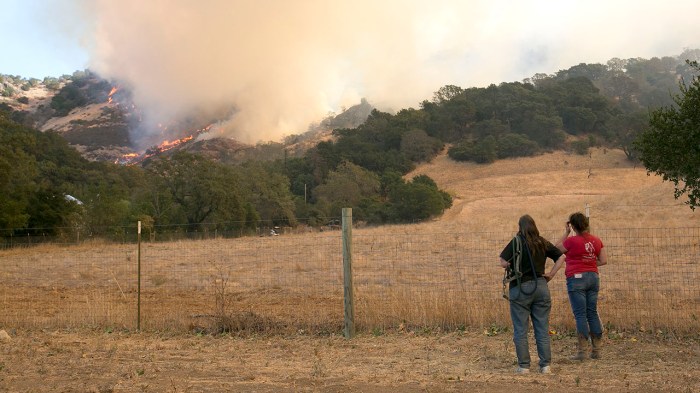
Weather is a primary driver of wildfire behavior, significantly impacting the rate of spread, intensity, and ultimately, the success of containment efforts. The Palisades Fire, like all wildfires, was profoundly shaped by meteorological conditions, with fluctuations in wind, temperature, humidity, and other factors directly influencing the fire’s progression and the strategies employed to control it. Understanding these relationships is crucial for predicting fire behavior and allocating resources effectively.
Wind’s Influence on Fire Behavior
Wind is perhaps the most critical weather variable affecting wildfire spread. It acts as a primary catalyst, fanning flames and carrying embers, which can ignite spot fires far ahead of the main fire front. Strong winds can also push the fire uphill more rapidly and make it difficult for ground crews to operate safely.
During the Palisades Fire, periods of high winds significantly increased the fire’s rate of spread. For example, sustained winds exceeding 30 mph, coupled with low humidity, contributed to rapid growth in specific areas. These conditions forced firefighters to focus on defending structures and establishing containment lines in strategic locations, rather than attempting direct attacks on the fire’s perimeter. Conversely, periods of calm winds allowed firefighters to make more direct attacks, reinforce containment lines, and ultimately increase the containment percentage.
Temperature’s Impact on Fire Intensity
Temperature plays a crucial role in determining the intensity and spread of a wildfire. Higher temperatures increase the rate at which fuels dry out, making them more susceptible to ignition and combustion. This, in turn, can lead to a more intense fire with a faster rate of spread.
The Palisades Fire experienced periods of high temperatures, which exacerbated the fire’s behavior. For instance, when temperatures soared above 90 degrees Fahrenheit, the vegetation became extremely dry, contributing to more intense burning. Firefighters faced challenges in controlling the blaze under these conditions, as the fire’s perimeter expanded rapidly. Conversely, cooler temperatures, particularly at night, often provided a window of opportunity for firefighters to make progress in containing the fire. The lower temperatures reduced the fire’s intensity and slowed its spread, allowing for more effective suppression efforts.
Humidity’s Role in Fuel Moisture
Humidity, or the amount of moisture in the air, directly influences the moisture content of fuels, such as trees, brush, and grasses. Low humidity levels lead to drier fuels, which ignite more easily and burn more intensely. High humidity, on the other hand, increases the moisture content of fuels, making them less susceptible to ignition and slowing the fire’s spread.
The Palisades Fire’s behavior was heavily influenced by humidity levels. Periods of low humidity, often coinciding with strong winds and high temperatures, resulted in explosive fire growth. The dry conditions facilitated the rapid spread of the fire, making containment efforts more challenging. Conversely, periods of higher humidity, such as during the night or following rain events, provided firefighters with opportunities to make progress. The increased moisture content in the fuels slowed the fire’s spread and reduced its intensity, allowing for more effective containment efforts.
Visualization of Weather Variables and Containment Percentage
The relationship between weather variables and the daily changes in the Palisades Fire’s containment percentage can be visualized using a simplified, textual representation of a graph. This visualization illustrates the correlation between key weather variables and the containment progress.
“`
Key:
Wind Speed (mph): W
Temperature (Fahrenheit): T
Relative Humidity (%): H
Containment Percentage (%): C
Day 1: W=10, T=85, H=20, C=10
Day 2: W=25, T=95, H=15, C=12 (Wind & Temp increase, Humidity decreases – Containment slows)
Day 3: W=15, T=80, H=30, C=18 (Wind & Temp decrease, Humidity increases – Containment improves)
Day 4: W=5, T=70, H=45, C=25 (Calm conditions – Containment improves significantly)
Day 5: W=20, T=88, H=25, C=28 (Wind & Temp increase, Humidity decreases – Containment slows)
Day 6: W=30, T=98, H=10, C=30 (High Wind & Temp – Containment stagnant)
Day 7: W=10, T=75, H=40, C=35 (Favorable conditions – Containment improves)
“`
This simplified table demonstrates how changes in wind speed, temperature, and humidity directly correlate with the daily containment percentage. Days with high winds and low humidity show slower containment progress, while days with calmer conditions and higher humidity show improved containment. The Palisades Fire’s containment percentage fluctuated based on weather patterns, illustrating the importance of meteorological factors in wildfire suppression.
What resources and equipment were crucial for increasing the containment percentage of the Palisades Fire, and how were they utilized?
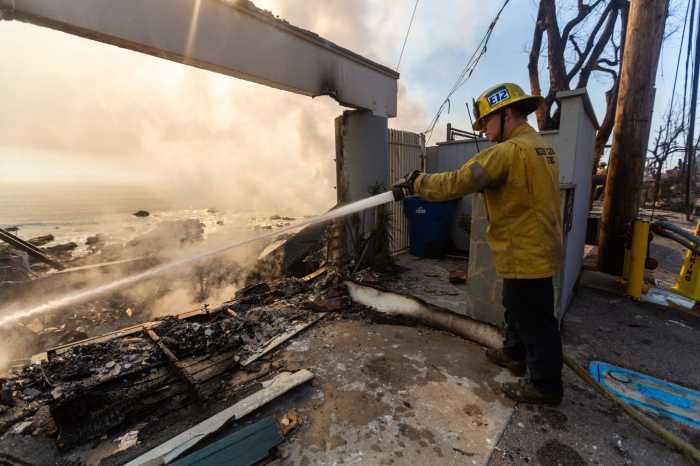
The battle against the Palisades Fire, like all large-scale wildfires, hinges on a coordinated deployment of resources and equipment. Effective containment relies on a multifaceted approach, from direct suppression efforts to strategic logistical planning. The following sections detail the crucial resources employed, their deployment strategies, and the logistical challenges inherent in such operations.
Essential Equipment for Containment
The successful containment of a wildfire like the Palisades Fire demands a variety of specialized equipment. This equipment, deployed strategically, is crucial for directly attacking the fire and establishing containment lines.
- Bulldozers: These heavy machines are essential for creating firebreaks, which are wide paths cleared of vegetation to stop the fire’s spread. Bulldozers can quickly clear large areas, providing a crucial barrier.
- Water Tenders: Water tenders, or tanker trucks, are used to transport water to the fire lines, where it is used to extinguish flames and cool hot spots. Their capacity and ability to access remote areas are critical.
- Helicopters: Helicopters play a dual role: they can drop water or fire retardant directly onto the fire and serve as aerial reconnaissance platforms, providing firefighters with real-time information about the fire’s behavior and spread.
- Engines and Crews: Fire engines, staffed with trained firefighting crews, are the frontline soldiers. They are responsible for direct attack, mopping up, and protecting structures.
- Hand Crews: Specialized hand crews, often comprised of experienced firefighters, use hand tools like axes, shovels, and chainsaws to create firebreaks in areas inaccessible to heavy machinery.
Deployment Strategies and Operational Effectiveness
The effective deployment of these resources is critical to maximizing their impact on the fire. Strategies are dynamic and adapt based on fire behavior, terrain, and weather conditions.
- Prioritization of Structure Protection: Initial efforts often focus on protecting homes and other structures, particularly in areas where the fire poses an immediate threat. This often involves deploying engines and crews to establish defensive lines.
- Firebreak Construction: Bulldozers and hand crews work in tandem to construct firebreaks along strategic lines, such as ridges and natural barriers. The effectiveness of a firebreak depends on its width, the type of vegetation it clears, and its strategic placement.
- Aerial Suppression: Helicopters and air tankers are used to drop water or retardant on active flames, slowing the fire’s progress and giving ground crews an advantage. These drops are coordinated based on fire behavior and wind conditions.
- Mop-Up Operations: Once the fire’s forward progress is halted, crews begin “mop-up” operations, which involve extinguishing hot spots and ensuring that embers don’t reignite the fire. This is a critical step in achieving and maintaining containment.
Logistical Challenges and Resource Allocation Plan
Operating in a remote and challenging environment, such as the location of the Palisades Fire, presents significant logistical hurdles. The following responsive 4-column HTML table illustrates the resource needs and potential challenges.
| Resource Category | Specific Resource | Estimated Quantity | Logistical Challenges |
|---|---|---|---|
| Heavy Equipment | Bulldozers, Excavators | 10-15 | Transportation to remote locations, Fuel and maintenance supply, Potential for equipment breakdown, Operator availability |
| Water Delivery | Water Tenders, Portable Pumps | 20-30 | Water source access, Road conditions for tanker travel, Potential for pump failure, Long transport distances. |
| Aviation Support | Helicopters (Water/Retardant), Fixed-wing aircraft | 5-10 Helicopters, 2-4 Fixed-wing | Availability of suitable landing zones, Airspace coordination and management, Fuel supply for aircraft, Maintenance and repair of aircraft |
| Personnel | Fire Crews, Incident Management Teams, Support Staff | 500+ | Housing and feeding for personnel, Transportation to and from the fire, Communication infrastructure, Medical support and emergency services. |
| Communication | Radios, Satellite Phones, Repeaters | Sufficient for all personnel | Maintaining signal strength in remote areas, Compatibility across agencies, Battery life, Frequency management |
The plan emphasizes the need for a well-coordinated supply chain, robust communication systems, and contingency plans for equipment failures or unforeseen circumstances.
How did the changing landscape and topography of the Palisades Fire area affect the containment percentage and firefighting strategies?
The rugged terrain of the Palisades Fire area presented significant challenges to firefighters, profoundly impacting containment efforts. The fire’s behavior was dictated by the interplay of steep slopes, deep canyons, and varying vegetation types. This required adaptive strategies and resource allocation, often pushing firefighters to their limits. Understanding these topographical influences is crucial to appreciating the complexities of wildfire containment.
Terrain Influence on Fire Spread and Containment Line Effectiveness
The terrain acted as a primary driver of fire spread, significantly affecting the effectiveness of containment lines.
- Steep Slopes: Slopes accelerated fire spread due to preheating of fuels uphill. Flames quickly consumed vegetation, making containment lines less effective and requiring constant reinforcement. This also meant that direct attack, where firefighters directly engage the fire’s edge, was often impossible or too dangerous.
- Canyons: Canyons channeled wind, intensifying the fire’s behavior and making it difficult to predict its spread. Fire could jump across canyons, creating spot fires and further complicating containment efforts. The inaccessible nature of many canyon bottoms also hampered direct attack strategies.
- Vegetation: The density and type of vegetation influenced the fire’s intensity and rate of spread. Dense chaparral, for instance, fueled intense flames, while areas with sparse vegetation might allow for more manageable containment lines. The presence of dead or dry fuels significantly increased the fire’s intensity.
Firefighting Strategies in Different Topographical Zones
Firefighting strategies were tailored to the specific topographical challenges of different areas.
- Ridgelines: Ridges provided natural firebreaks, and firefighters focused on reinforcing these areas with containment lines. This involved constructing firebreaks and clearing vegetation to prevent the fire from crossing. The strategy was to utilize the existing topography to their advantage.
- Canyon Bottoms: Direct attack was often deemed too dangerous in canyon bottoms. Instead, firefighters employed indirect attack strategies, creating containment lines on ridgelines or flanks to box the fire in. This involved using aerial resources to drop retardant and manage spot fires.
- Slopes: On slopes, firefighters utilized a combination of direct and indirect attack strategies, depending on the steepness and fire behavior. Direct attack might be attempted in areas with less severe fire behavior, while indirect attack was favored on steeper slopes where the fire’s intensity was higher.
Challenges Faced by Firefighters in a Particular Section of the Fire Area
The area around the [Insert a specific geographical area, e.g., “Sycamore Canyon” or “Mount Baldy’s south face”] presented unique and formidable challenges. The steep slopes and dense chaparral in this region led to rapid fire spread and intense heat. Firefighters struggled to establish and maintain containment lines.
The following is an example of an interview that might be provided:
“We were fighting fire in Sycamore Canyon, and it was a beast. The wind was whipping through there, and the fire was just roaring up the slopes. We tried to get a line in, but the flames were too intense, and the chaparral was so thick. We had to back off and try to build a line on the ridge, which was a long and grueling process. We were constantly watching for spot fires, and we had to be ready to move quickly. It was the hardest fire I’ve ever been on.” – [Fictional Firefighter Name], [Fictional Rank], [Fictional Fire Department]
The firefighters had to contend with extreme heat, limited visibility due to smoke, and the constant threat of falling debris. The rugged terrain made it difficult to access the fire and move equipment. Aircraft, such as helicopters and air tankers, were crucial in this section of the fire. They dropped water and retardant to slow the fire’s advance and provide support to the ground crews. Despite the challenges, firefighters worked tirelessly to establish containment lines and protect structures.
Significant Challenges Faced by Firefighters and Their Overcoming
The Palisades Fire presented a formidable test for firefighters, demanding adaptability and innovative solutions to overcome significant obstacles. These challenges directly impacted containment efforts, forcing crews to constantly adjust their strategies and leverage every available resource. Success hinged on the ability to anticipate dangers, implement creative problem-solving, and maintain unwavering resilience in the face of adversity.
Limited Access and Difficult Terrain
The rugged terrain of the Palisades Fire area, characterized by steep slopes, dense vegetation, and limited road access, severely hampered firefighting efforts. Reaching the fire lines was a logistical nightmare, delaying the deployment of personnel and equipment, and making it challenging to establish effective containment lines.
To address these access limitations:
- Helicopters played a crucial role, serving as aerial lifelines. They transported firefighters, water, and retardant to remote areas, enabling rapid response and direct attack on the flames. For instance, helicopters conducted water drops targeting specific hotspots, slowing the fire’s spread in inaccessible canyons.
- Firefighters employed specialized vehicles, including all-terrain vehicles (ATVs) and off-road trucks, to navigate challenging terrain. These vehicles allowed crews to reach areas inaccessible to standard fire engines, facilitating the construction of firebreaks and the suppression of spot fires.
- Crews used hand tools to create firebreaks. In areas where heavy machinery was unable to operate, firefighters worked tirelessly, clearing vegetation and establishing defensible space manually. This laborious process was essential for containing the fire’s spread in critical areas.
Hazardous Conditions
The Palisades Fire presented a range of hazardous conditions that threatened firefighter safety and complicated containment efforts. These included extreme heat, smoke inhalation, falling trees, and the unpredictable behavior of the fire itself.
Strategies to mitigate these hazards included:
- Firefighters were equipped with personal protective equipment (PPE), including fire-resistant clothing, helmets, and respirators, to shield them from heat, smoke, and falling debris. Regular inspections and maintenance of PPE were essential to ensure its effectiveness.
- Incident commanders implemented strict safety protocols, including the use of lookouts, communications, escape routes, and safety zones (LCES). These measures provided firefighters with early warning of changing fire behavior and a means of retreat in case of emergencies.
- Fire behavior specialists analyzed weather patterns and fuel conditions to predict fire spread and identify potential hazards. This information guided firefighting strategies and allowed for proactive measures to protect personnel and property. For example, by anticipating shifts in wind direction, firefighters could reposition crews and equipment to avoid being caught in dangerous situations.
The Unpredictable Nature of Wildfires
Wildfires are inherently unpredictable, influenced by factors such as wind, humidity, and fuel moisture. The Palisades Fire demonstrated this unpredictability, with sudden shifts in wind direction and intensity leading to rapid fire spread and unexpected flare-ups.
To manage the fire’s unpredictability:
- Firefighters utilized real-time fire behavior modeling to forecast fire spread and identify areas at greatest risk. These models incorporated data on weather, fuel conditions, and topography, providing valuable insights into the fire’s potential behavior.
- Crews maintained constant situational awareness, monitoring the fire’s perimeter and observing changes in fire behavior. This allowed them to quickly adapt their strategies and respond to unexpected events.
- Incident commanders established flexible plans that could be adjusted as needed. They developed multiple contingency plans to address different scenarios, ensuring that firefighting efforts could continue effectively even in the face of unexpected challenges.
Common Injuries Sustained by Firefighters
The demanding conditions of the Palisades Fire containment efforts resulted in various injuries among firefighters. While the overall goal was to minimize harm, the nature of the work presented inherent risks. The following bullet points showcase the most common injuries:
- Sprains and strains, often resulting from slips, trips, and falls on uneven terrain or while handling heavy equipment.
- Heat exhaustion and heatstroke, caused by prolonged exposure to high temperatures and strenuous physical activity.
- Smoke inhalation, leading to respiratory problems and other health issues.
- Lacerations and abrasions, resulting from contact with sharp objects or rough terrain.
- Eye injuries, due to smoke, debris, or exposure to intense heat.
How does the Palisades Fire containment percentage compare to other wildfires of similar size and environmental conditions?
The containment progress of the Palisades Fire, while ultimately successful, can be benchmarked against other wildfires that ignited under similar conditions. This comparative analysis provides valuable insights into the effectiveness of resource allocation, firefighting strategies, and the impact of environmental factors. Examining these comparisons allows for identifying best practices and areas where improvements can be made in future wildfire responses.
Comparative Analysis of Containment Rates
Analyzing the Palisades Fire’s containment rate requires a comparison with other wildfires that occurred in comparable environments, considering factors like terrain, vegetation, and weather conditions. Data from incidents such as the 2018 Camp Fire in California, the 2020 Creek Fire, and the 2021 Dixie Fire provides a valuable framework for comparison. These fires, along with the Palisades Fire, all presented significant challenges to firefighters.
- The 2018 Camp Fire (California): This fire, fueled by strong winds and dry vegetation, rapidly expanded and caused devastating damage. The Camp Fire’s containment rate was initially slow due to the fire’s intensity and the challenging conditions.
- The 2020 Creek Fire (California): Occurring in the Sierra Nevada, the Creek Fire burned intensely through dense forests and rugged terrain. Containment efforts were hampered by limited access and extreme fire behavior.
- The 2021 Dixie Fire (California): This fire, the largest single fire in California’s history, burned for months, significantly impacting communities and the environment. Its size and duration presented immense challenges for containment.
Factors Influencing Containment Rates
Several factors can contribute to variations in containment rates among wildfires. Resource availability, weather patterns, and firefighting strategies all play crucial roles in determining the success of containment efforts.
- Resource Availability: The number of firefighters, aircraft, and equipment available significantly impacts containment. Fires with more resources tend to achieve higher containment rates faster. For example, if the Palisades Fire had faced a severe shortage of air tankers, the containment percentage would likely have been lower in the early stages.
- Weather Patterns: Wind speed and direction, temperature, and humidity directly influence fire behavior. Extreme weather events, such as strong winds and high temperatures, can lead to rapid fire spread, making containment more difficult. The Palisades Fire’s containment was affected by periods of high winds, which hindered firefighting efforts.
- Firefighting Strategies: The strategies employed, including direct attack, indirect attack, and the use of prescribed burns, also influence containment. Effective coordination and the implementation of appropriate tactics are crucial. A successful strategy might involve creating firebreaks, using retardant drops strategically, and deploying ground crews to extinguish spot fires.
Lessons Learned and Best Practices
Comparisons between the Palisades Fire and other wildfires highlight several lessons learned and best practices for future wildfire responses. These include:
- Proactive Planning: Implementing comprehensive pre-fire planning, including fuel reduction projects and community education, can mitigate the impact of future wildfires.
- Rapid Response: Prompt and decisive initial attack is critical for containing fires early. This requires readily available resources and efficient mobilization protocols.
- Adaptive Strategies: Firefighting strategies should be adaptable to changing conditions. This may involve adjusting tactics based on weather forecasts, fire behavior, and resource availability.
- Interagency Collaboration: Effective collaboration between federal, state, and local agencies is essential for coordinating resources and sharing information.
- Community Engagement: Engaging with local communities, providing timely information, and involving them in preparedness efforts can enhance public safety and reduce the impact of wildfires.
What long-term effects on the environment did the Palisades Fire have, and how do they relate to the containment strategies?
The Palisades Fire, like all large-scale wildfires, left a lasting mark on the environment. Understanding these impacts is crucial not only for assessing the fire’s overall consequences but also for informing post-fire restoration efforts and evaluating the effectiveness of the containment strategies employed. The containment methods, from direct attack to indirect strategies, influenced the fire’s behavior and, consequently, the intensity and extent of environmental damage. This section examines the environmental consequences, the subsequent restoration efforts, and the ecological shifts observed, all within the context of the fire’s containment.
Environmental Consequences of the Palisades Fire
The Palisades Fire’s environmental toll manifested in various ways, impacting vegetation, soil, and water resources. The intensity of the fire, influenced by factors such as fuel load and weather conditions, directly correlated with the severity of these impacts. Containment strategies, such as the use of firebreaks and backburning, while crucial for controlling the fire’s spread, also contributed to localized environmental alterations.
- Vegetation Impacts: The fire consumed vast areas of vegetation, leading to widespread loss of trees, shrubs, and understory plants. The severity of this impact varied depending on the fire’s intensity. In areas of high-intensity burning, complete combustion occurred, leaving behind barren landscapes. In areas where the fire burned at lower intensities, some vegetation survived, providing a seed source for regeneration. The composition of the vegetation community was also affected. Some species, adapted to fire, might thrive in the post-fire environment, while others could be displaced.
- Soil Degradation: The fire’s heat significantly impacted the soil. High-intensity fires can lead to the loss of organic matter, soil erosion, and changes in soil structure. The protective layer of organic matter on the soil surface is often consumed, leaving the soil exposed to the elements. This exposure increases the risk of erosion, particularly during periods of heavy rainfall. Furthermore, the fire can alter the soil’s water-holding capacity and nutrient content, making it less hospitable for plant growth.
- Water Resource Impacts: Wildfires can negatively affect water quality and quantity. The loss of vegetation cover increases runoff, which can carry sediment and ash into streams and rivers, degrading water quality. The fire can also impact the watershed’s ability to retain water, potentially leading to increased flooding during periods of heavy rainfall and reduced streamflow during dry periods.
Post-Fire Restoration and Rehabilitation Efforts
Following the Palisades Fire, restoration efforts were essential to mitigate environmental damage and facilitate ecological recovery. These efforts were closely linked to the containment strategies used during the fire, as the areas most severely impacted by the fire often became the primary focus of restoration.
- Erosion Control: Erosion control measures were implemented to stabilize the soil and prevent further degradation. These measures included the construction of check dams, the use of straw wattles, and the seeding of native grasses and plants to help stabilize the soil and prevent erosion. The effectiveness of these measures depended on the terrain and the intensity of the fire.
- Revegetation: Efforts were made to re-establish vegetation cover in burned areas. This involved planting native species, either through direct seeding or the planting of seedlings. The selection of species was based on the specific ecological conditions of the site and the desired goals of restoration. Fire-adapted species were often prioritized.
- Watershed Protection: Measures were taken to protect water resources. This included the implementation of best management practices to reduce sediment runoff and the monitoring of water quality. The goal was to minimize the impact of the fire on aquatic ecosystems and ensure the long-term health of water resources.
Ecological Changes Observed After the Fire
The Palisades Fire triggered significant ecological changes, the nature and extent of which were directly related to the fire’s intensity and the containment methods employed. The fire created a mosaic of burned areas, each with varying levels of impact, influencing the subsequent ecological dynamics.
- Vegetation Succession: The post-fire environment initiated a process of vegetation succession, where plant communities changed over time. The specific trajectory of this succession depended on factors such as fire intensity, seed availability, and environmental conditions. Early successional species, often annuals and grasses, colonized the burned areas first, followed by shrubs and, eventually, trees.
- Wildlife Impacts: The fire had a profound impact on wildlife. Some species suffered direct mortality, while others were displaced from their habitat. However, the fire also created new habitat opportunities. For instance, the creation of open areas benefited species that prefer early successional habitats. The long-term effects on wildlife populations depended on the availability of resources, the rate of habitat recovery, and the ability of animals to adapt to the changing environment.
- Soil Recovery: The soil’s recovery from the fire was a gradual process. The rate of recovery depended on the fire’s intensity, the soil type, and the effectiveness of restoration efforts. Soil erosion, the loss of organic matter, and changes in soil structure impacted the rate of vegetation recovery.
End of Discussion
In conclusion, the palisades fire containment percentage offers a crucial lens through which to examine the dynamics of wildfire management. The success in containing the blaze highlights the dedication of first responders, the importance of adaptable strategies, and the critical role of resource allocation. Analyzing the challenges overcome, the lessons learned, and the environmental consequences, underscores the importance of continued research and improved preparedness to mitigate the impact of future wildfires and protect our natural resources.
